You must have regular cleaning based upon risk factors, operational volume, food allergen presence, and health inspections, plus verification documentation supporting food safety protocols, regulatory audits, and government health requirements. The information below detail essential sanitation program components.
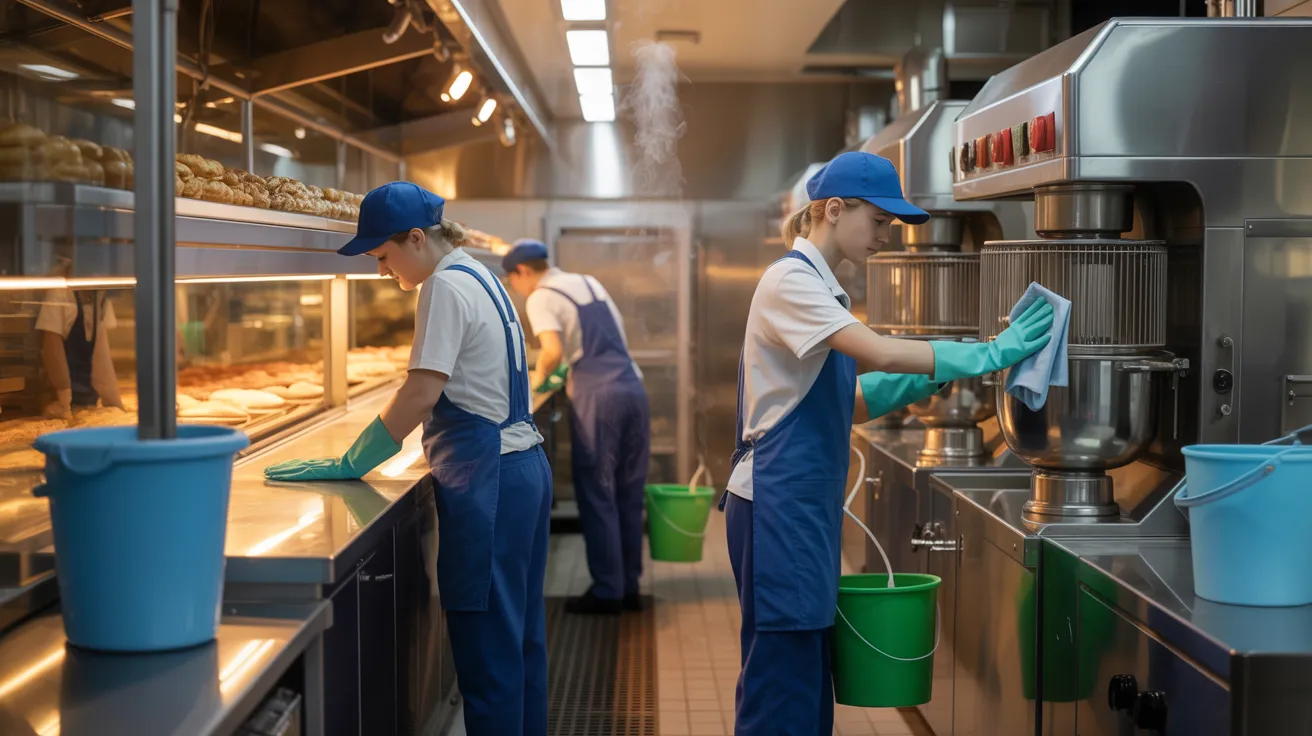
Essential Summary
- Brampton food safety cleaning experts maintain restaurants, grocery departments, commissaries, warehouses, bakeries, schools, mobile vendors, and allergen-sensitive operations.
- Zone-based workflows treat frequently contacted areas, food-contact equipment, kitchens, floors, drains, restrooms, and storage areas for eliminating cross-contamination.
- Trained providers confirm proper chemical concentration, appropriateness, and contact time, then record finalization with swabs, assessments, and remedial documentation.
- Maintenance plans need to comply with threat, production volume, format changes, incidents, and requirements, with regular, periodic, and periodic tasks distributed by area.
- Providers need to demonstrate HACCP, public-health competency, WHMIS training, insurance, testimonials, colour-coded equipment, and audit-ready maintenance documentation.
Brampton Venues That Need Food Safety Cleaning: Which Ones?
Any Brampton facility that processes, stores, prepares, packages, or distributes food needs hygiene cleaning. You must implement it if your facility falls under public health review, food rules, or HACCP systems. That requirement covers food service venues, employee cafes, supply centers, retail departments, meat shops, fish areas, local stores, and institutional food prep areas.
You'll also need documented food sanitation in storage centers, processing facilities, refrigerated warehouses, bakery retailers, school nutrition programs, key resource event halls, and delivery centers. Mobile and temporary operations count as well, such as food trucks, festival vendors, and pop-up establishments. If your staff prepare supplies, portion finished foods, reheat items, or manage allergen inventory, your venue requires established hygiene documentation. In Brampton, food safety is compulsory; it constitutes legal, operational, and consumer protection compliance.
Which Areas Do Brampton Cleaning Experts Cover?
Professional cleaning services specializing in Brampton disinfect high-contact surfaces, food preparation areas, floors, and restrooms in compliance with food safety regulations. Emphasis on these spaces stems from extreme cross-contamination risk, injury hazards, and possible regulatory violations.
When you understand what they clean, you can ensure your operation's cleaning procedures satisfy operational and regulatory requirements.
Key High-Touch Surface Sanitizing
create a sanitizing plan
Preventing secondary contamination through rotating cloths, maintaining unidirectional workflows, and organizing sanitization equipment by zone confirms your sanitizing plan stays quantifiable, auditable, and inspection-ready.
Kitchen Areas, Floor Surfaces, and Bathroom Spaces
Expect Brampton cleaning experts to focus on kitchens, floors, and restrooms because each area carries distinct food safety, accident prevention, and public health risks. In industrial kitchens, you need grease removal from cooking stations, appliance surfaces, drain systems, preparation areas, and backsplashes to reduce contamination and pest pressure.
You should also expect documented floor care. is also provided as part of the service.
For restroom sanitation, cleaners disinfect high-touch surfaces, bathroom fixtures, stall dividers, supply dispensers, and trash receptacles, then restock supplies and control odours. They also service restaurant moprooms, where chemical storage, sink hygiene, and drainage conditions can affect sanitation compliance and staff safety daily.
Food Safety Cleaning Significance for Brampton Businesses
In Brampton, you must copyright sanitary cleaning practices to meet health code requirements and pass inspections. You also reduce bacterial spread through proper cleaning of food-preparation surfaces, appliances, and frequently-touched items. Most importantly, you help protect public health by lowering the risk of foodborne illness in your facility.
Food Safety Regulations
Food operations in Brampton face stringent health requirements, making food safety cleaning critical to satisfying health code requirements, ensuring the safety of patrons, and eliminating enforcement action. You must maintain hygienic food handling zones, documented cleaning schedules, proper chemical use, and auditable operational standards that correspond to municipal and provincial inspection expectations.
Should your cleaning standards slip, you risk notices, compliance orders, public perception issues, and operational suspension during subsequent audits or regulatory reviews.
Cross-Contamination Avoidance
Adhering to regulatory guidelines requires your expertise in stopping cross-contamination throughout daily food handling and cleaning. You need to isolate uncooked items from finished products, clean prep surfaces between tasks, and store cleaning supplies separately from food. Structured procedures reduce transfer risks and ensure consistent compliance during inspections.
Building allergen segregation prevents key allergens from reaching common workstations, storage, or apparatus. Leverage separate cutting boards, colored implements, and strict utensil labeling so team members won't blend products during preparation or service.Mandate hand cleaning following uncooked meats, shellfish, egg items, or allergen substances. Swap wiping cloths regularly, and confirm disinfectant efficacy using test strips. When you train staff to follow these controls every shift, you create a cleaner, safer operation that meets Brampton's food safety expectations daily.
Public Health Assurance
When sanitation efforts weaken, you don't only risk a failed inspection—you expand the chance of food contamination affecting customers, staff, and the larger Brampton community. You also undermine your responsibility in safeguarding community wellness, especially in high-traffic food premises where contamination can spread quickly through surfaces, equipment, and touchpoints.
You must establish sanitation protocols that remove contaminants, disinfect correctly, and confirm effectiveness. This involves adhering to contact periods, utilizing approved disinfectants, logging schedules, and instructing staff to meet health-unit expectations. These mechanisms support pathogen reduction by limiting pathogens before reaching food or hands. Across Brampton, effective sanitation safeguards vulnerable groups, limits outbreak risk, and demonstrates accountability. When you maintain proper protocols, you go beyond requirements—you meaningfully reduce risk and facilitate secure food handling city-wide.
How Can Cleaning Practices Ensure Food Safety Compliance?
Maintaining rigorous cleaning routines ensures food safety compliance by decreasing contamination threats, controlling pathogen growth, and keeping your facility compliant with sanitation requirements under HACCP-based programs and public health regulations. You confirm that food-contact surfaces are visibly clean and microbiologically controlled, supporting documented preventive controls and inspection readiness.
Cleaning efforts additionally amplify allergen prevention by eliminating residues that can lead to undeclared allergen exposure.
How Do You Arrange Commercial Cleaning Services?
maximum production periods, product transitions, spill events
Regular tasks should be scheduled separately
Finding Quality Brampton Cleaning Experts: A Guide
Begin by evaluating providers based on sanitation compliance standards—not solely on budget. You should confirm that each organization comprehends CFIA, public health, and HACCP-aligned expectations applicable to your facility. Request insurance certificates, WHMIS compliance, staff training documentation, and oversight procedures. Assess whether technicians recognize cross-contamination hazards, chemical handling protocols, and verifiable sanitation records.
Additionally, you need to evaluate service dependability and accountability. Obtain references from food facilities in Brampton, then review service speed, corrective measures, and communication practices. Verify the company conducts supplier reviews and can deliver inspection-ready documentation when inspectors or external parties need proof. Verify equipment is maintained, color-coded equipment are applied correctly, and location-specific dangers are identified. A capable service ensures compliance, product quality, and your brand reputation.
What does a cleaning and sanitation plan encompass?
Establish a documented program that clarifies every sanitation duty, standard, and accountability ahead of production commencement. You should list cleaning frequencies, approved chemicals, dilution rates, contact times, tools, and verification methods for each zone, surface, and piece of equipment. Add pre-operational inspections, corrective actions, and employee training requirements.
Your program should also address contamination prevention, garbage management, pest control procedures, and recorded timelines for bathrooms, drainage systems, surfaces, and food-preparation zones. Detail how you'll keep raw and prepared foods apart, support ingredient tracking, and ensure accurate allergen labeling through validated cleaning between product changes. You should assign accountability, maintain signed records, and review results against regulatory standards, HACCP controls, and customer requirements. When gaps appear, revise procedures immediately and re-educate staff.
Frequently Posed Questions about the Plan
Will cleaning services handle nighttime hours at Brampton properties?
Yes, you can arrange sanitation coverage to support nighttime operations in Brampton facilities. You'll coordinate overnight sanitation around production windows, access controls, and personnel needs. Services generally outline nightshift logistics to minimize interruption, maintain compliance, and record finished work. You should verify arrival timeframes, oversight, lockout procedures, and waste handling before service begins.
Do sanitation professionals offer emergency spill response solutions?
Yes, you can locate several Brampton sanitation experts offering spill containment options. They handle contamination, evaluate risks, contain affected areas, and perform swift decontamination to reduce exposure and prevent disruption. You should confirm timeframes, certifications, safety measures, and disposal methods. If your facility must meet standards, choose a service that documents incidents, maintains standards, and ensures verification.
Will plant-based disinfectants disinfect safely food preparation areas?
Yes, plant-based sanitizers can be appropriate for surfaces contacting food if you choose disinfectants approved for food contact and complying with regulations. You should confirm contact times, concentration levels, and rinse protocols before implementation. Many botanical formulations lower harsh chemical exposure, but you still need proof of efficacy against target microorganisms. To preserve residue-free areas, you must adhere to manufacturer directions precisely and validate the sanitizer adheres to food sanitation requirements.
Will cleaning plans respond to seasonal variations?
Yes, you can tailor cleaning schedules for seasonal shifts. You should adapt schedules, staff levels, cleaning agents, and validation steps to fit operational cycles while maintaining regulatory adherence. You'll reduce operational delays by planning cleaning around production shifts, high demand periods, and equipment use patterns. You should additionally update SSOPs, training, and monitoring protocols to reflect temporary risks, additional allergens, or higher contamination levels. Regular reviews maintain your plan effective.
Do commercial cleaning providers instruct staff members in sanitation best practices?
Indeed, professional cleaners typically provide employee coaching on proper hygiene. Your team receives instruction on proper chemical use, exposure durations, cross-contamination prevention, equipment breakdown, and documentation. They typically follow training with HACCP, GMP, and CFIA or regional health standards criteria. Many also execute compliance inspections to verify compliance, identify gaps, and reinforce corrective actions. This supports you in establish reliable processes, achieve compliance, and decrease foodborne illness risks each day.
Closing Remarks
Through working with Brampton food safety and commercial cleaning specialists, you do far more than tidy—you keep your operation prepared for inspections and your standards meet requirements. From production floors to kitchens, all clean areas and organized zones reduce contamination risks and prevent significant costs. Through booking service on suitable timelines and sticking to a solid cleaning plan, you safeguard your team, your patrons, and your good name. Within strict regulatory frameworks, clean conditions cannot be considered optional—they represent good business practice.